
Algorithms amplified World Cup racism, says report
August 20, 2026 01:02
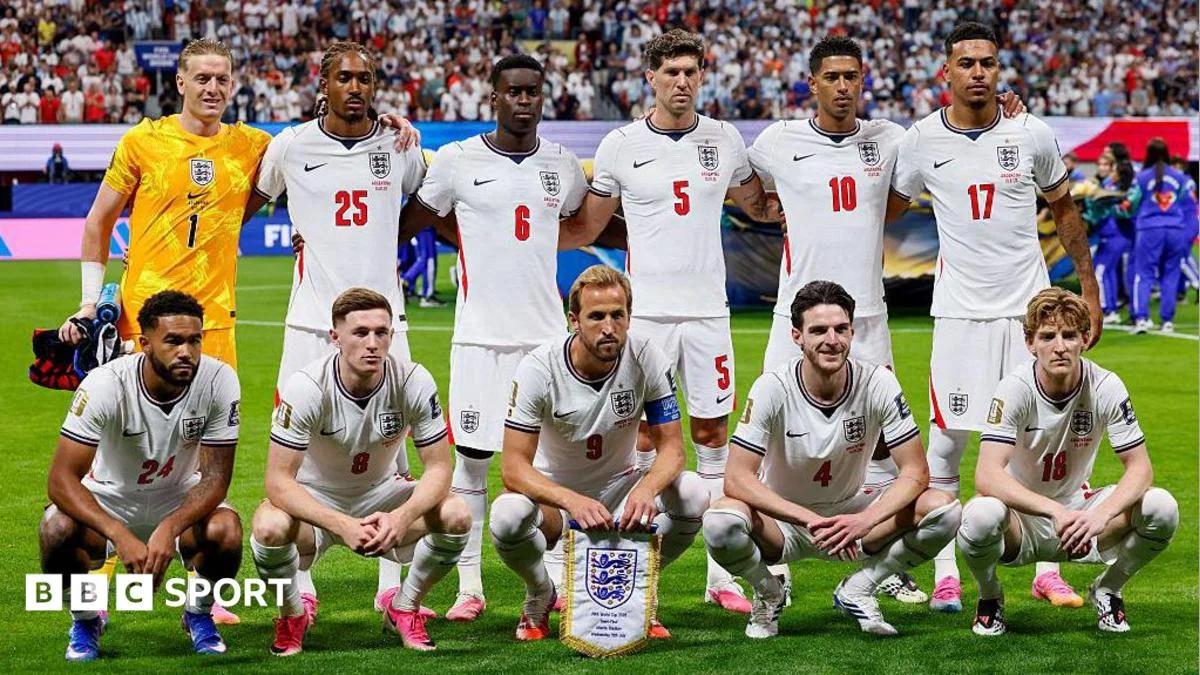
An analysis by activist group Hope Not Hate of more than 300,000 posts on X (formerly Twitter) during the 2026 World Cup found over 5,500 posts the researchers classified as explicitly racist and aimed at England players. The organisation says X’s recommendation systems pushed much of this toxic material into large numbers of users’ feeds because content that provokes strong reactions tends to generate more engagement.
Those findings prompted comment from the Football Association, which said players should not be exposed to hateful or discriminatory material online, and from Ofcom, which said it is pressing technology firms to make services safer. Hope Not Hate also highlighted examples of targeted abuse, naming Jude Bellingham as the single most targeted player and noting particularly high proportions of racist posts mentioning Bukayo Saka and Kobbie Mainoo; it reported a distinct stream of anti-Muslim abuse directed at Djed Spence.
KEY CONTEXT
- Hope Not Hate collected posts that mentioned England players by name or X handle, replies to player and team accounts, and other England-related keywords, removing irrelevant content before analysis.
- The group examined both standalone posts and the replies that accumulate beneath prominent tweets and account posts.
- Hope Not Hate’s interpretation is that engagement-driven recommender algorithms elevate provocative posts, and the group called for measures such as downranking posts that attract large volumes of abuse.
- The FA reiterated players’ rights to be free from hateful content and urged platforms to take necessary steps to make online life safer.
- Ofcom said it is pushing tech firms and cited a new partnership with police and football bodies that operated before the World Cup.
WHY IT MATTERS
The report links algorithmic recommendation behaviour to wider visibility of racist abuse, which increases the number of people exposed and the likelihood these posts drive engagement on the platform — a factor Hope Not Hate argues benefits the company financially. If platforms are promoting abusive content through recommendations, typical reactive tools (blocking, reporting, suspending accounts) do not prevent initial amplification. Regulators and football authorities are now being asked to consider proactive, systemic measures rather than relying on post-publication enforcement alone.
WHAT TO WATCH NEXT
- Whether Ofcom uses powers under the Online Safety Act in the ways Hope Not Hate recommends, including treating major sporting events as “high risk” for hate and requiring platforms to deploy safety-by-design measures.
- If X or other platforms change how recommender systems surface content during spikes in abusive activity (for example, downranking posts that attract large volumes of replies flagged as abusive).
- Any further public responses or policy commitments from tech firms, and the outcomes of the partnership mentioned by Ofcom with police and footballing bodies.
KEY FACTS
- Hope Not Hate analysed >300,000 posts on X during the 2026 World Cup.
- Researchers identified more than 5,500 explicitly racist posts targeting England players.
- Jude Bellingham was reported as the most targeted player; Bukayo Saka and Kobbie Mainoo had the highest proportion of racist posts relative to mentions.
- Djed Spence was reported to have received a separate stream of anti-Muslim abuse.
- Hope Not Hate recommends downranking rapidly escalating abusive posts and urges Ofcom to use the Online Safety Act to require proactive platform measures.