
Keith Alexander remembered as a trailblazer for black managers
October 5, 2026 13:20
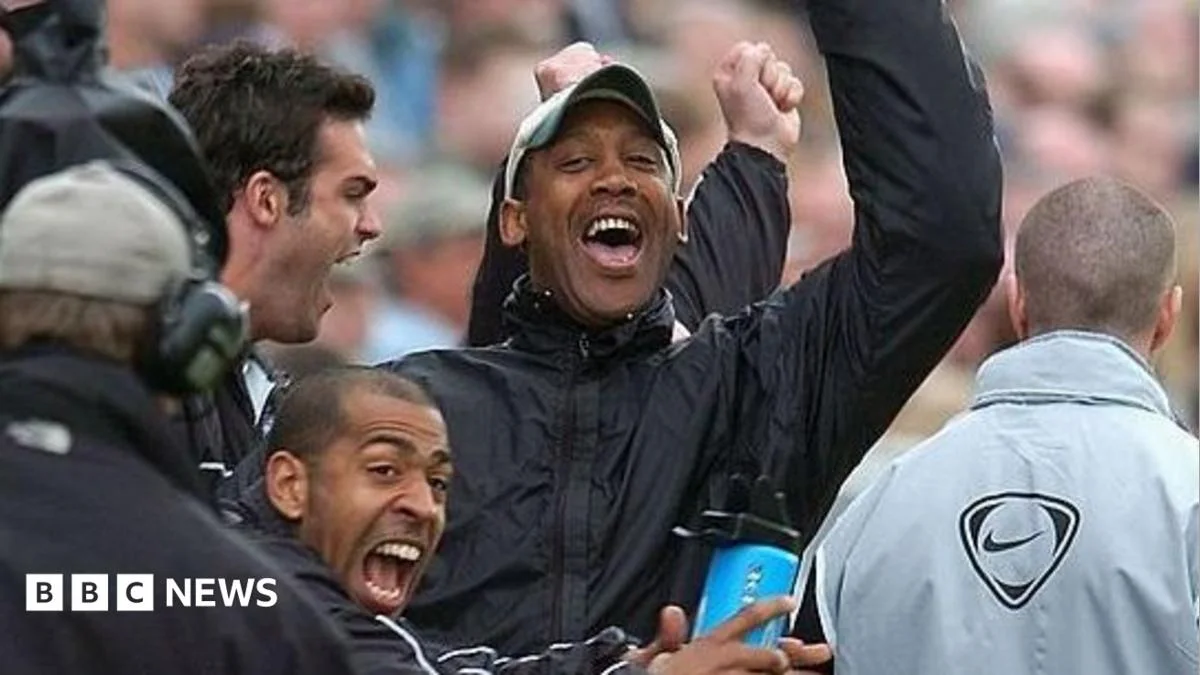
Figures across the game have been reflecting on the legacy of Keith Alexander, the manager and coach whose death in 2010 prompted England players to wear black armbands at Wembley. As part of Black History Month, colleagues, former players and organisers say Alexander helped open a path for more black managers in English professional football.
KEY CONTEXT
Alexander was born in Nottingham in 1956 to St Lucian parents. He spoke openly about the racism he encountered as a player, including monkey chants and bananas being thrown. His son Matt recalled: "He experienced loads of it, especially in his early days." Matt added that his father believed in hard work and expected success despite those obstacles.
After a lengthy playing career, Alexander moved into management. He first took charge of Lincoln City in 1993, later managed non-league Ilkeston Town and Northwich Victoria, and returned to Lincoln for a second spell in 2002. He also had spells in charge of Peterborough United and Macclesfield, among others. Working with a tight budget, Alexander helped guide Lincoln from administration to the League Two play-off places in four successive seasons.
Former Lincoln striker Franny Green credited Alexander with "bringing players from non-league and giving them an opportunity," and recalled a warm first impression as a 16-year-old on trial: "I was 16, this tall slim kid with a mini afro and he was just really charming towards me." Leon Mann, co-founder of the Football Black List, said: "Keith remains a beacon of hope for us all," and noted the initiative gives out an award in Alexander's memory.
WHY IT MATTERS
Although Tony Collins was the first permanent black manager in the Football League when he led Rochdale in 1960, those who knew Alexander say his work and example inspired a later generation of black British managers and remains a touchstone during discussions about representation in the game.