
Manchester City Council has received just under £3m from owners' overage deal
October 13, 2026 09:40
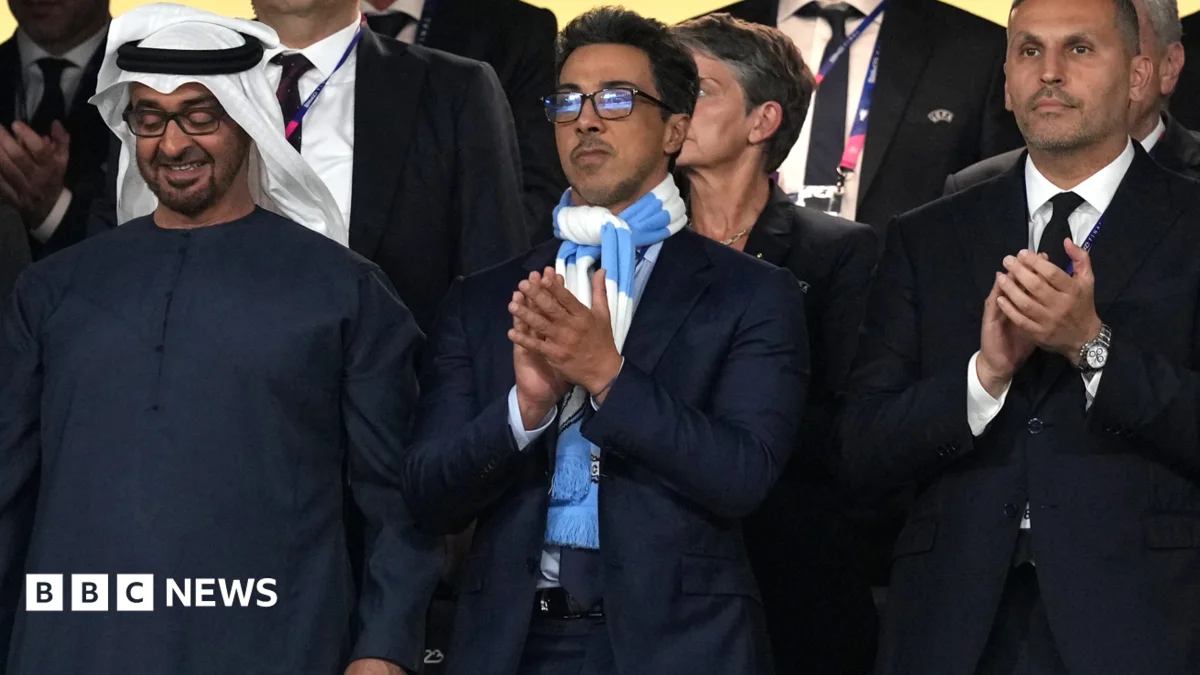
WHAT HAPPENED
The payments relate to developments near the club's stadium in Ancoats and New Islington that were managed via a partnership called Manchester Life. Under that arrangement, ADUG was able to lease sites owned by the council. The 2022 report Manchester Offshored estimated roughly 10 acres were placed under Manchester Life’s control and put property sales by companies ultimately owned in Abu Dhabi at about £112m.
KEY CONTEXT
ADUG bought Manchester City in 2008 for £200m; Sheikh Mansour bin Zayed Al Nahyan is identified in public records as the owner of ADUG. In the decade after the takeover, the club won the first three of eight Premier League titles mentioned in public accounts. In 2018 the Premier League began an investigation into the club's finances, and last week it announced findings that the club had been found guilty of 115 charges, including allegations around a disguised funding scheme said to have involved the owners topping up sponsorship and commercial deals with more than £800m of their own funds. The club denies wrongdoing and has until 2 October to submit an appeal.
WHY THIS MATTERS NOW
The council says it expects another payment soon and has described the wider regeneration as worth £1.25bn to the city. At the same time, renewed attention on Manchester City’s finances has focused scrutiny on the council’s relationship with ADUG and on the overage arrangements.
CRITICISMS AND COUNCIL RESPONSE
Professor Adam Leaver, co‑author of the Sheffield report, said commercial secrecy around linked companies—some registered in Jersey—makes it hard to judge whether the council received fair value or to compare profits remitted to ADUG. He also noted that the overage agreement’s terms were not publicly visible. In July the council disclosed reviews that found “weaknesses in documentation, monitoring and assurance, particularly around historic overage arrangements.”
The council has said the deals were struck in the aftermath of the 2008 credit crunch when there was “very little market interest in the area” and added that “each parcel of land was valued by independent experts… and the best overall deal was achieved for each site.” Leaver pointed out that development activity in the area had dwindled until about 2012 and then picked up from around 2013, when the Manchester Life partnership was formed.