
Neville criticises Manchester United's 'lack of effort' — do the numbers support him?
September 21, 2026 18:00
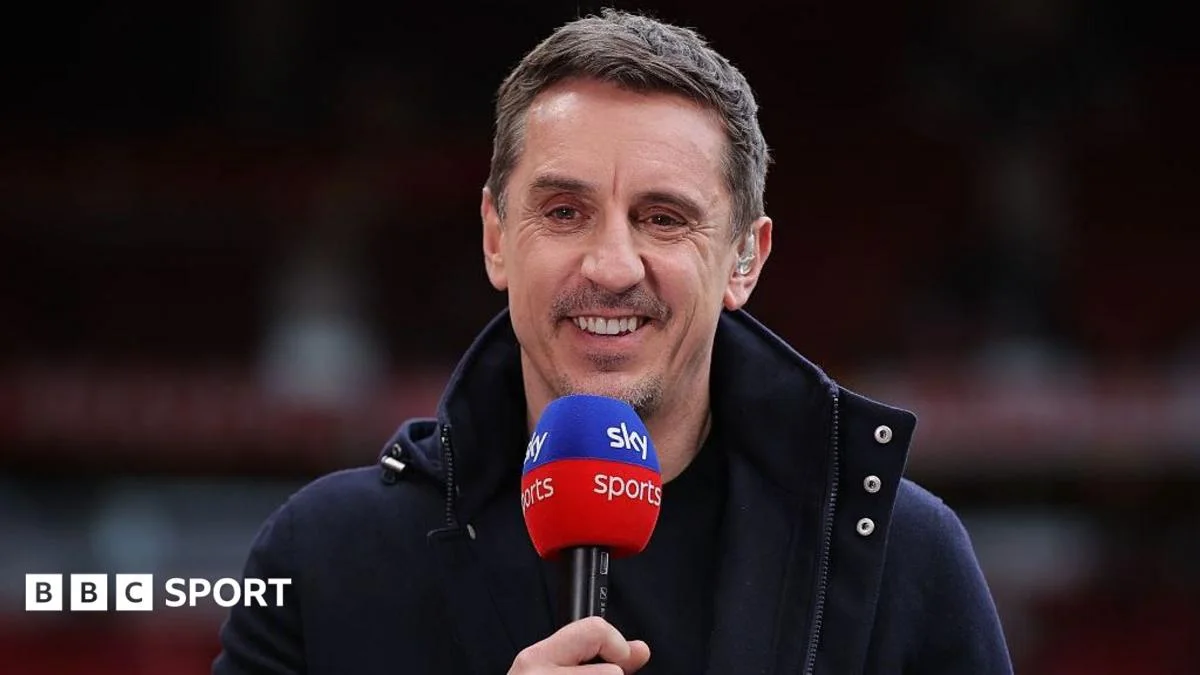
Gary Neville sharply criticised Manchester United on Sky Sports after Sunday’s 1-1 draw at Fulham, calling the opening 15 minutes “the worst 15 minutes I’ve ever seen. Absolutely pathetic.” He added: “I’ve never seen such a lack of effort” and asked: “What must Michael Carrick be thinking?”
THE RUNNING NUMBERS
This season United rank 16th for distance covered and 17th for total sprints in the Premier League. Only four teams have covered less distance and just three clubs have produced fewer sprints. United also have four points from five league games — a joint-worst start to a Premier League season.
END-OF-SEASON COMPARISON
Between 17 January and the end of last season, after Carrick took charge, United collected 39 points from 17 games — more than any other team in that period. In that run the club’s running figures were similarly low: only four teams ran less and only two recorded fewer sprints. Points per game then were 2.29, compared with 0.8 so far this season.
ADDITIONAL CONTEXT
Manchester City have won all five league matches this season despite covering less distance than United and recording the fewest sprints. Brighton sit one place above United for sprints and are the division’s top goalscorers.
NEVILLE’S PROFILE
Neville, who played 602 games for United across a 19-year career and began work for Sky Sports as a pundit and co-commentator in 2011, has frequently set the media agenda with criticism of the club. The recent comments have again drawn attention to United’s form and the statistics behind the debate.
WHAT IT MEANS
Neville’s critique points to worrying performances on the pitch and is supported by low running and sprinting numbers this season. However, similar running stats during United’s strong late run last season show that those metrics alone do not fully explain the current results.