
Scottish clubs face tougher Europa League route
September 9, 2026 19:30
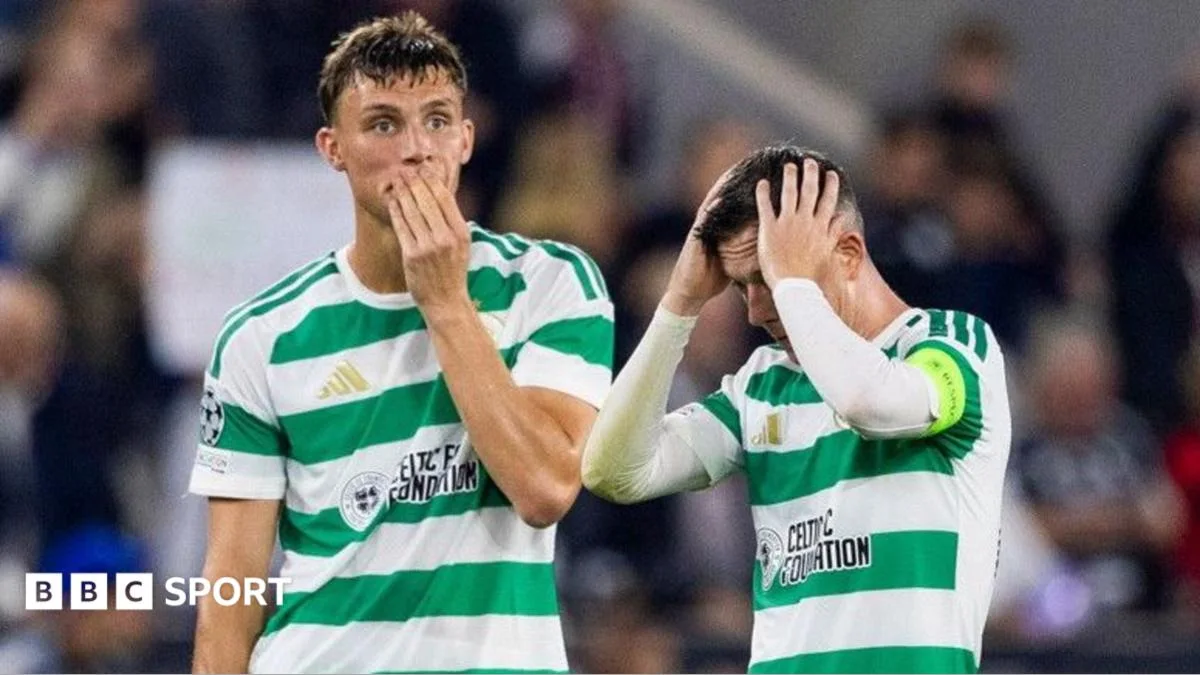
Uefa will rework the Europa League qualifying from next season so the final qualifying round is separated into a champions path and a non-champions path. That mirrors the structure already used in the Champions League and the Europa Conference League and changes who Scotland’s representative can meet in qualifying.
The alteration removes the previous single seeded draw at the final qualifying stage, meaning Scottish clubs will face a different mix of opponents than in recent seasons.
KEY CONTEXT
Under the new arrangement, teams that won their domestic titles will be routed through the champions path, while those qualifying by league position follow the non-champions path. The non-champions side contains clubs from stronger leagues and also receives teams that drop out of Champions League qualifying. Examples this season of sides dropping into the non-champions path include Olympiakos, Sparta Prague, Sturm Graz and Union St-Gilloise.
This season Hearts negotiated the non-champions route and were eliminated by Benfica, while Rangers — who were seeded — lost to Jagiellonia Bialystok. Celtic this season entered the Champions League at the play-off round and subsequently went into the Europa League league phase after exiting the Champions League. Next season, because Scotland’s five-year coefficient has fallen, the champions will start in the Champions League second qualifying round and would need to win three ties to reach the Champions League proper.
WHY IT MATTERS
The split increases the difficulty for Scotland’s Europa League entrants. The non-champions path is demonstrably stronger, featuring clubs from countries such as Belgium, Turkey, the Czech Republic and Greece, plus clubs relegated from Champions League qualifying. As a result, Scotland’s representative will no longer be drawn against certain teams that dropped from the Champions League champions path this season — for example Iberia 1999, Kairat Almaty and Ararat — and instead could face higher-ranked opposition.
A lower national coefficient also raises the chance Scottish clubs will be unseeded, which would further increase the likelihood of tougher draws against teams from major leagues.
WHAT TO WATCH NEXT
- Whether Scotland’s five-year coefficient continues to fall and which Scottish teams are seeded or unseeded next season.
- How the champions path/non-champions path split affects the route for the Scottish title-winner if they are eliminated from Champions League qualifying — specifically whether they drop into the Europa League qualifying and who they would face.
- The composition of the non-champions path next season and which clubs drop down from Champions League qualifying.
KEY FACTS
- From next season the Europa League final qualifying round is split into champions and non-champions paths.
- The Scottish Cup winners (or, if also league champions, the Premiership runners-up) will enter the Europa League in the first qualifying round next season.
- Non-champions path includes teams from stronger leagues and clubs dropping from Champions League qualifying (e.g., Olympiakos, Sparta Prague, Sturm Graz, Union St-Gilloise this season).
- This season Hearts were in the non-champions path and lost to Benfica; Rangers were seeded but were knocked out by Jagiellonia Bialystok.
- Scotland’s champions will enter the Champions League at the second qualifying round next season and must win three ties to reach the Champions League proper.