
Study finds 65,722 junk-food ads shown on international feed at 2026 World Cup
September 21, 2026 08:50
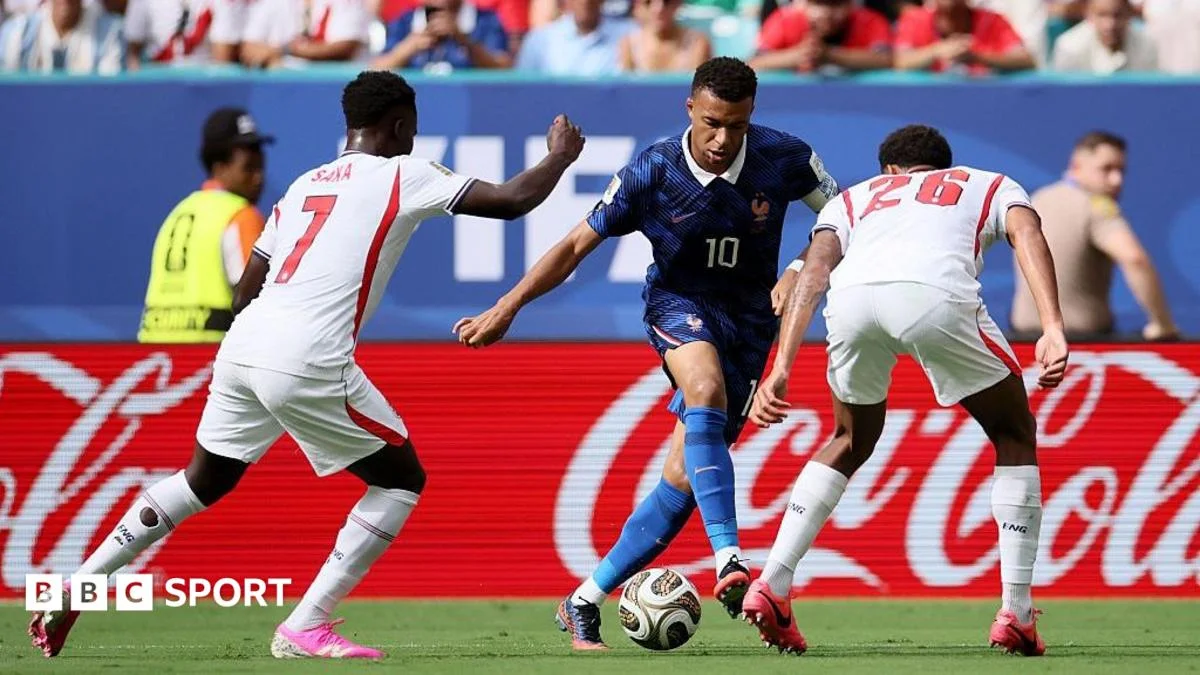
A study by the University of Bristol and the University of Oxford found that television viewers were exposed to 65,722 displays of junk-food and sugary-drink branding during live play at the 2026 Fifa World Cup. Researchers used an AI tool to analyse the tournament’s 104 matches and measured a total visibility time of 28.1 hours — just over 16% of match play — on the international broadcast feed.
KEY FINDINGS
- The model estimated an average of 576 visible junk-food or drink adverts per match.
- Coca-Cola accounted for 21,893 displays, McDonald’s 13,915, Powerade 12,777 and Lay’s 12,087. All four are listed as official Fifa partners; Powerade is owned by the Coca-Cola company.
- The study limited its analysis to adverts visible during live play on the international feed; it did not include pre-match coverage, half-time commercial breaks or in-match hydration breaks.
- Junk-food and drink logos were recorded around seven times more often than alcohol and prediction-market brands, 10 times more often than gambling firms, and almost 25 times more often than cryptocurrency.
- The researchers warned that repeatedly linking unhealthy food and drink brands with football can normalise their consumption.
REGULATION AND REACTIONS
Since October 2025 the UK has banned television advertising of foods high in fat, salt or sugar before 9pm, but the report notes pitchside advertising at an international event falls outside that legislation. Greg Fell, president of the Association of Directors of Public Health, told BBC Sport: "It is definitely a loophole. ... Advertising is one of the key mechanisms by which harm from obesity happens."
Fifa responded by saying the majority of its revenue is reinvested into football, including projects promoting health and wellbeing, and added: "Fifa works with a broad, global portfolio of partners, all of which are subject to its governance and compliance frameworks. Fifa's social impact campaigns, including Be Active, delivered messages of unity, inclusion, health and friendship to audiences on an unprecedented scale throughout the World Cup." BBC Sport also contacted Coca-Cola, McDonald’s and PepsiCo but did not receive a reply.
ADDITIONAL CONTEXT
Images accompanying the study showed official beverage, snack and quick-service-restaurant partners promoted on stadium hoardings. One caption noted McDonald’s adverts were displayed frequently during Spain’s victory over Argentina in the World Cup final.