
Why are Man Utd better without the ball?
September 16, 2026 08:30
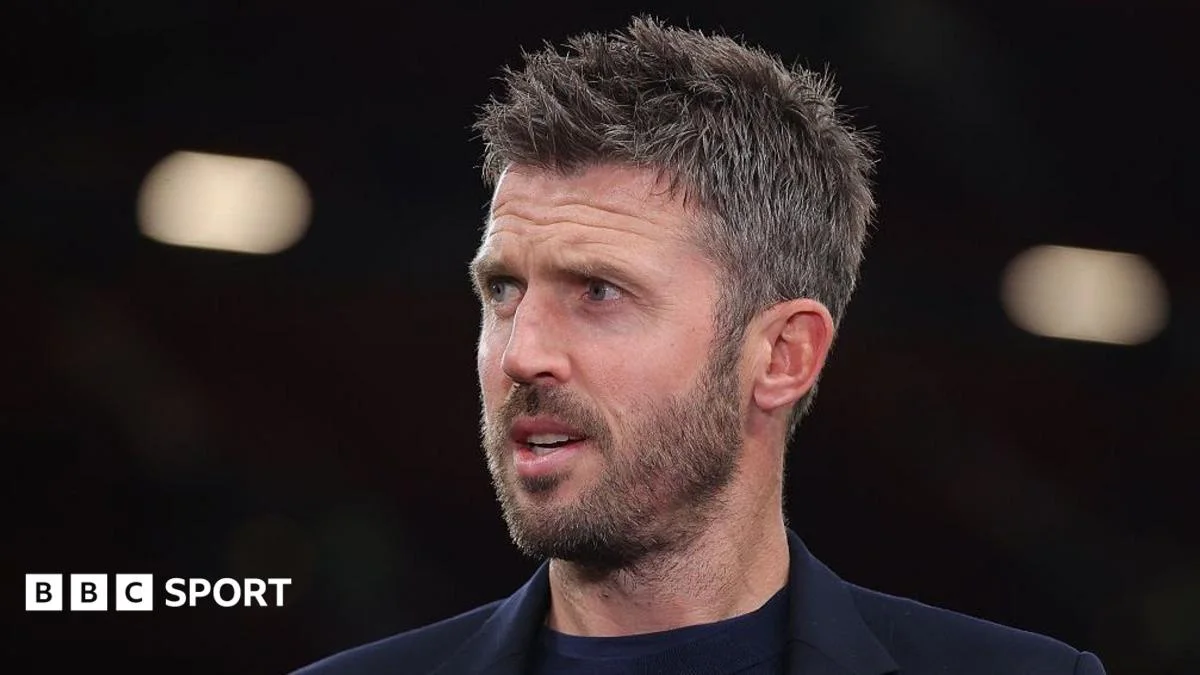
Under Michael Carrick, Manchester United have been markedly more successful in matches where they have less of the ball. Since Carrick took charge, the team averages 1.5 points per game when they hold more than 50% possession, compared with 2.6 points per game when they have under 50%. When possession is 45% or below, United have won 10 out of 10 matches in that sample.
That trend was visible in the recent Manchester derby, a 1-0 defeat for United in which the match changed after City were reduced to 10 men. City manager Enzo Maresca said the red card altered the contest: City dropped deeper, removed the space for transitions and made it harder for United to operate in the way they prefer.
KEY CONTEXT
The statistical pattern sits alongside a broader debate about “United DNA” and playing style. Some recent coaches at the club have leaned into a direct, transition-focused approach associated with fans’ memories of the club’s most successful eras; others attempted a more controlled, possession-oriented style. Carrick has steered the team back toward proactivity, excitement and directness, giving certain players more freedom to make decisions in attacking moments.
United’s personnel suit quick transitions: goalkeeper Senne Lammens and centre-backs Harry Maguire and Lisandro Martínez provide long or progressive passes from deep; Marcus Rashford frequently runs in behind the defence and often occupies central striker positions despite starting wide; Bryan Mbeumo displays similar movement traits. Bruno Fernandes has been pivotal in transition, recording 21 Premier League assists last season and breaking the league assist record, benefitting from the platform Carrick has offered him.
WHY IT MATTERS
The data suggest United’s current setup exploits the squad’s strengths better when opponents leave space to counter into. That creates a tactical puzzle for Carrick: how to preserve the effectiveness of a transition-led approach while also finding ways to beat teams that sit deep or deny the space in behind. The derby example underlines the vulnerability of a transition-heavy team when the opponent eliminates those channels.
WHAT TO WATCH NEXT
- Whether Carrick can adapt United’s approach to be effective against teams that defend deep or deliberately remove transition space.
- How selection and tactical tweaks alter the team’s possession-performance relationship over a larger sample.
- The impact of Carrick’s freedom for key players (notably Bruno Fernandes) on outcomes when United face low-possession matches versus high-possession ones.
KEY FACTS
- Points per game under Carrick: 1.5 when possession >50%; 2.6 when possession <50%.
- United have won 10 of 10 matches since Carrick took charge when possession was 45% or below.
- Recent 1-0 derby defeat followed a red card for City; opponent manager said City’s subsequent deeper block removed transition space and made the game harder for United.
- Bruno Fernandes recorded 21 Premier League assists last season and set the league assist record.
- Squad characteristics supporting transitions: long kicks from goalkeeper Senne Lammens; progressive passing from Harry Maguire and Lisandro Martínez; runners-in-behind tendencies from Marcus Rashford and Bryan Mbeumo.